
ZIPAIR
As a brand partner to ZIPAIR, Pangraphics has been involved in a wide range of initiatives, including the development of brand structure, internal branding through workshops, and the design and direction of brand identity elements such as logotype, aircraft livery, interior design, business tools, and in-flight stationery. The work also extends to advertising communication, creative supervision, and uniform direction.
The Beginning of the Project
ZIPAIR began in 2017 within JAL as a project led by a single team member, and in 2018, SIX joined as a partner in the development of this new low-cost airline. At the time, low-cost carriers were typically built on a model of maximizing seat capacity, minimizing services to reduce costs, and operating primarily on short-haul routes. However, this project set out to create a mid- to long-haul LCC—an idea that was almost unheard of at the time. Before moving into surface-level design, we joined the project at the stage of shaping the brand structure itself. As an airline intended for mid- to long-haul travel, we carefully examined the services and equipment that would be essential, while also questioning why certain elements were deemed unnecessary. By articulating and clarifying these decisions, we worked to break away from conventional assumptions and establish a new kind of airline brand. Over the course of a year, this process was explored collaboratively by the entire project team.
Discovering the Concept
We began by researching brands—not only in the airline industry, but also those built on progressive services and clear philosophies. At the time, it had not yet been articulated in words, but there was already a shared sense within the project team of "bringing ground-based service into the sky." That, perhaps, is why we devoted so much time to this research.
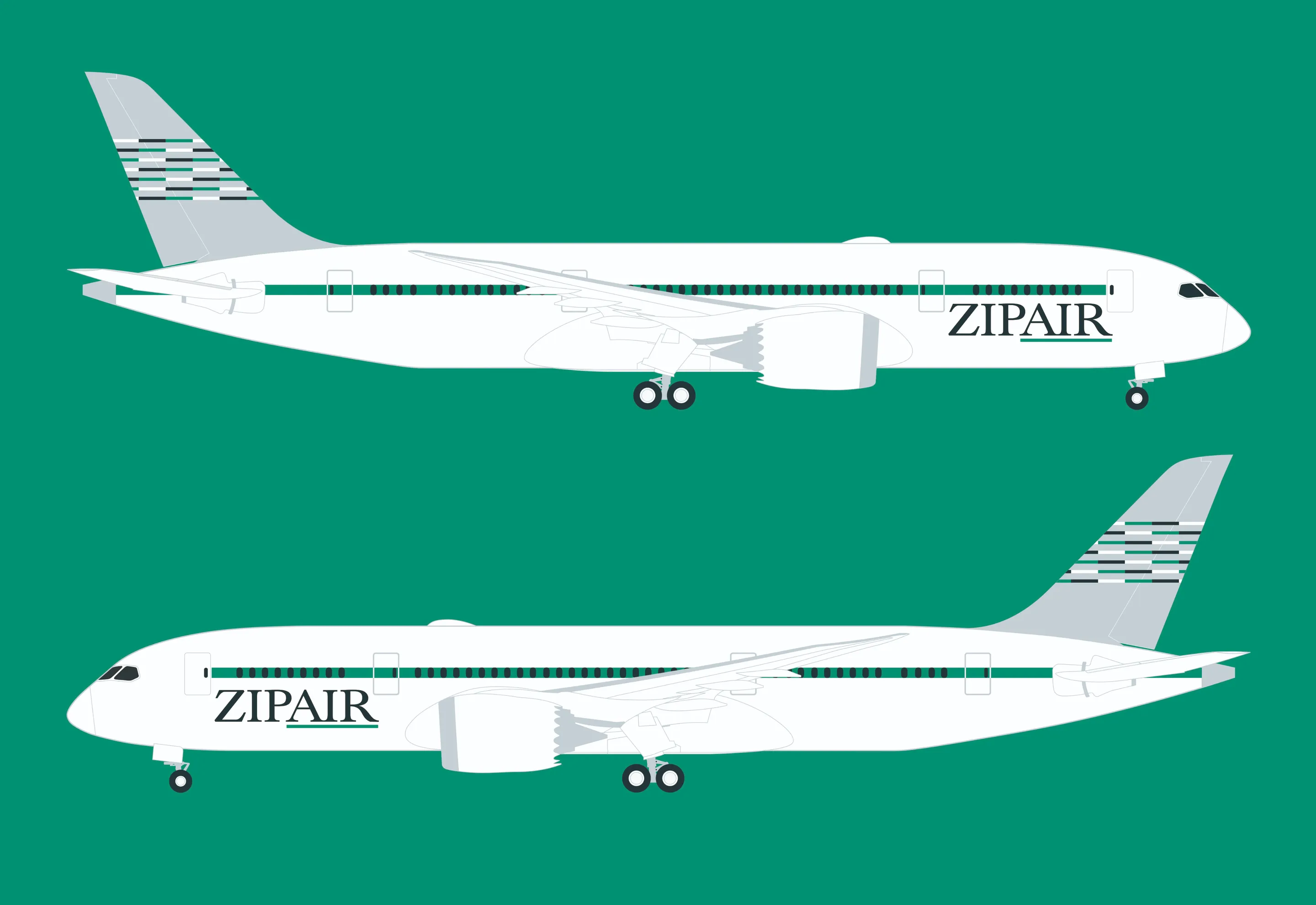
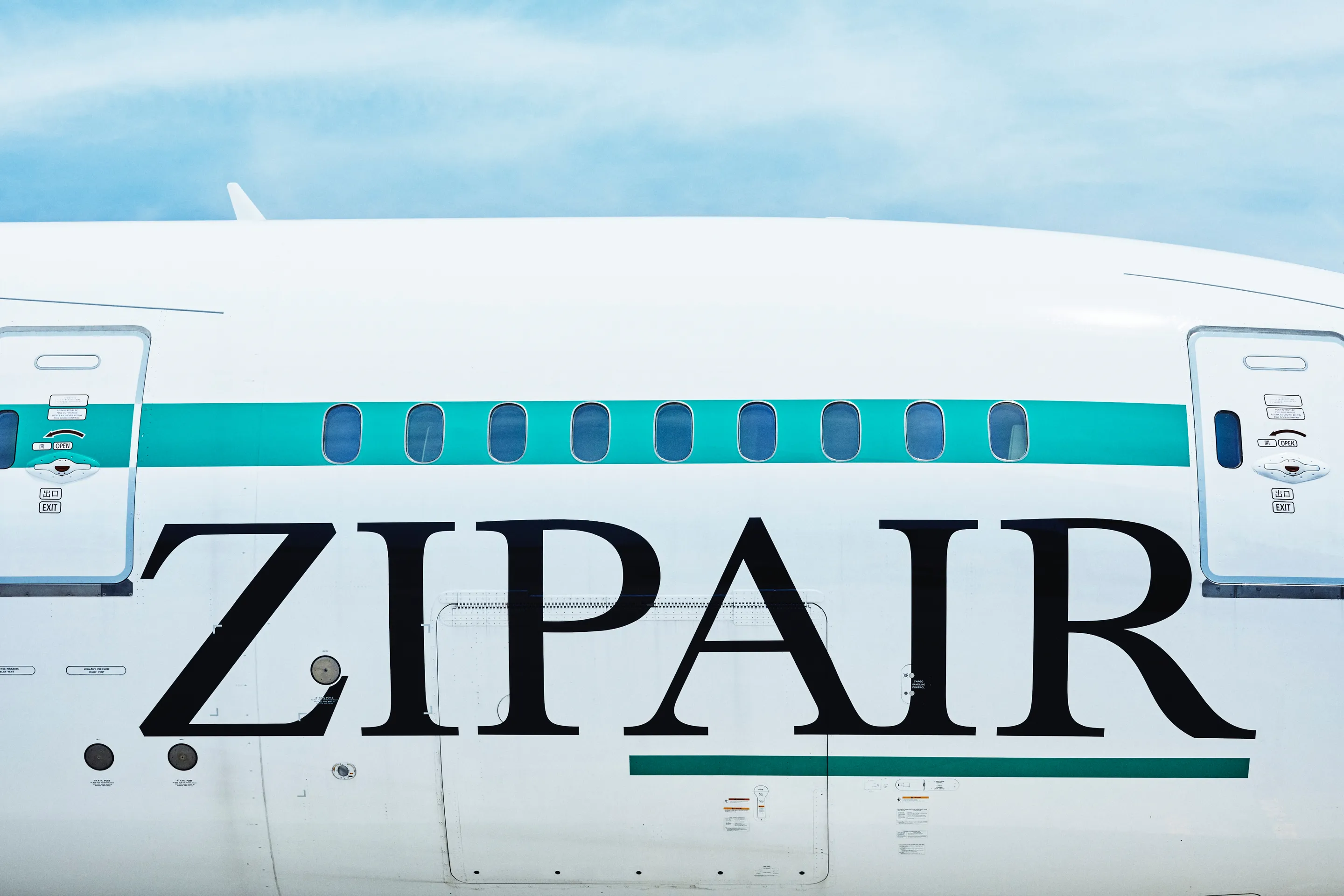
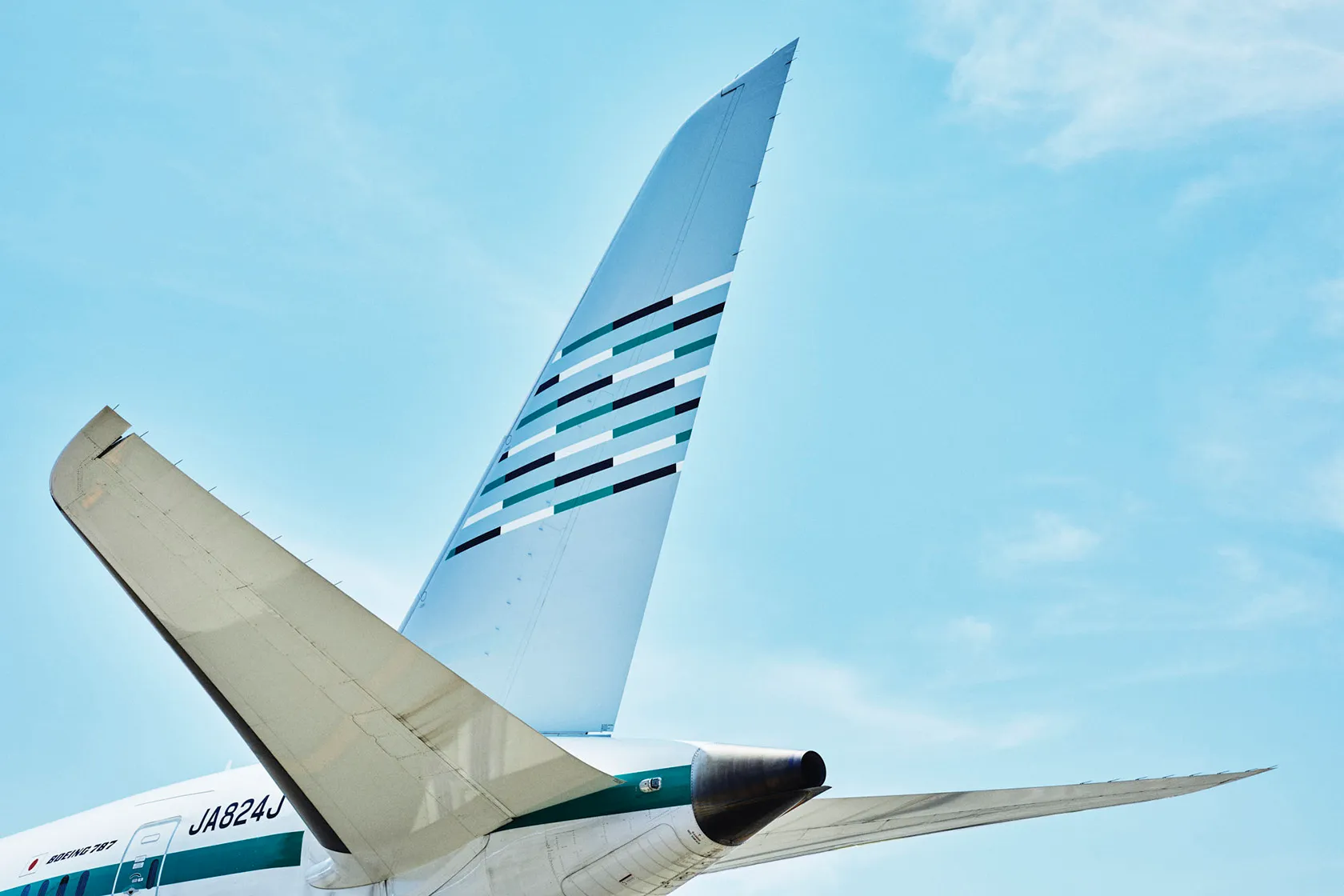
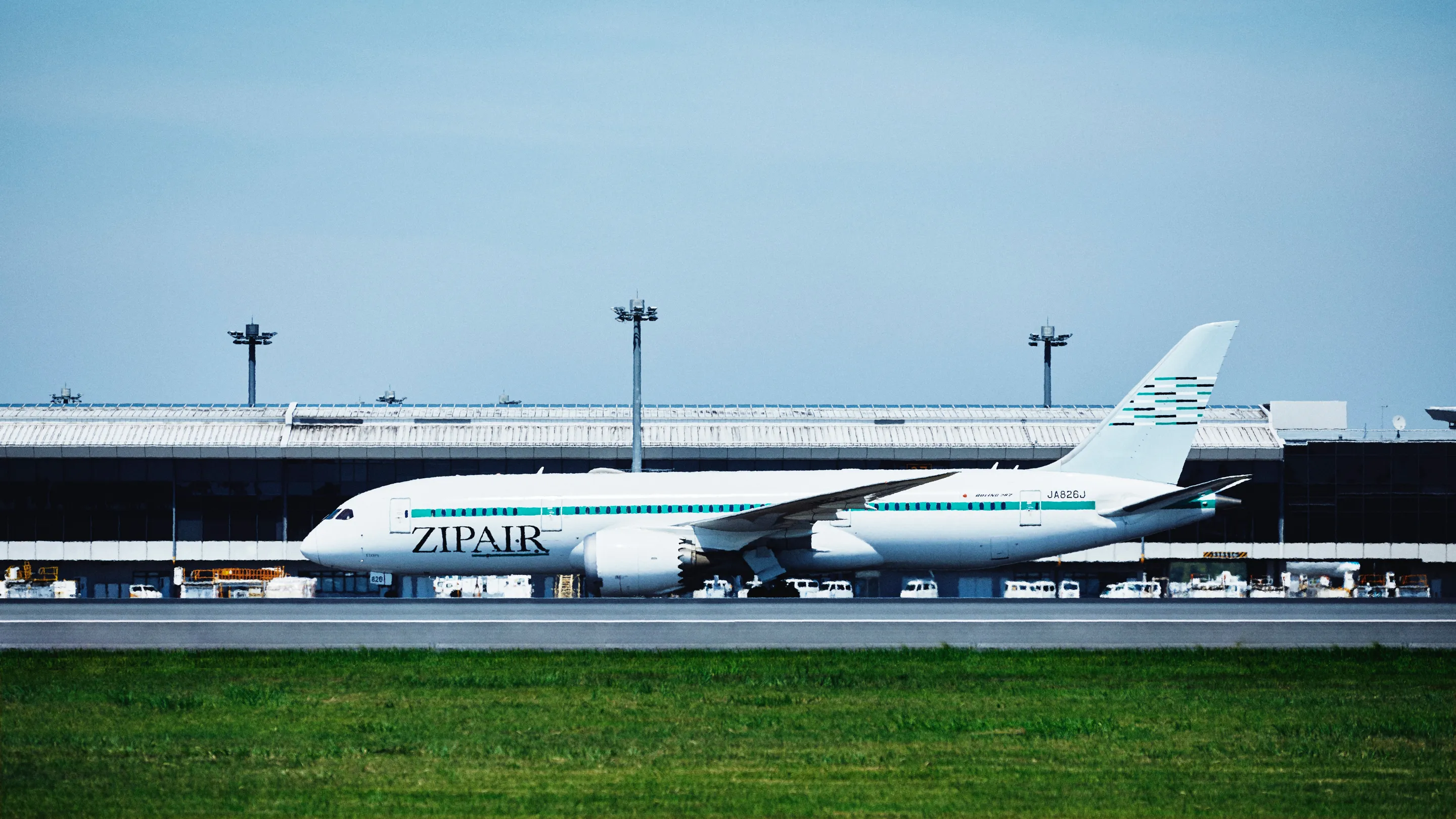
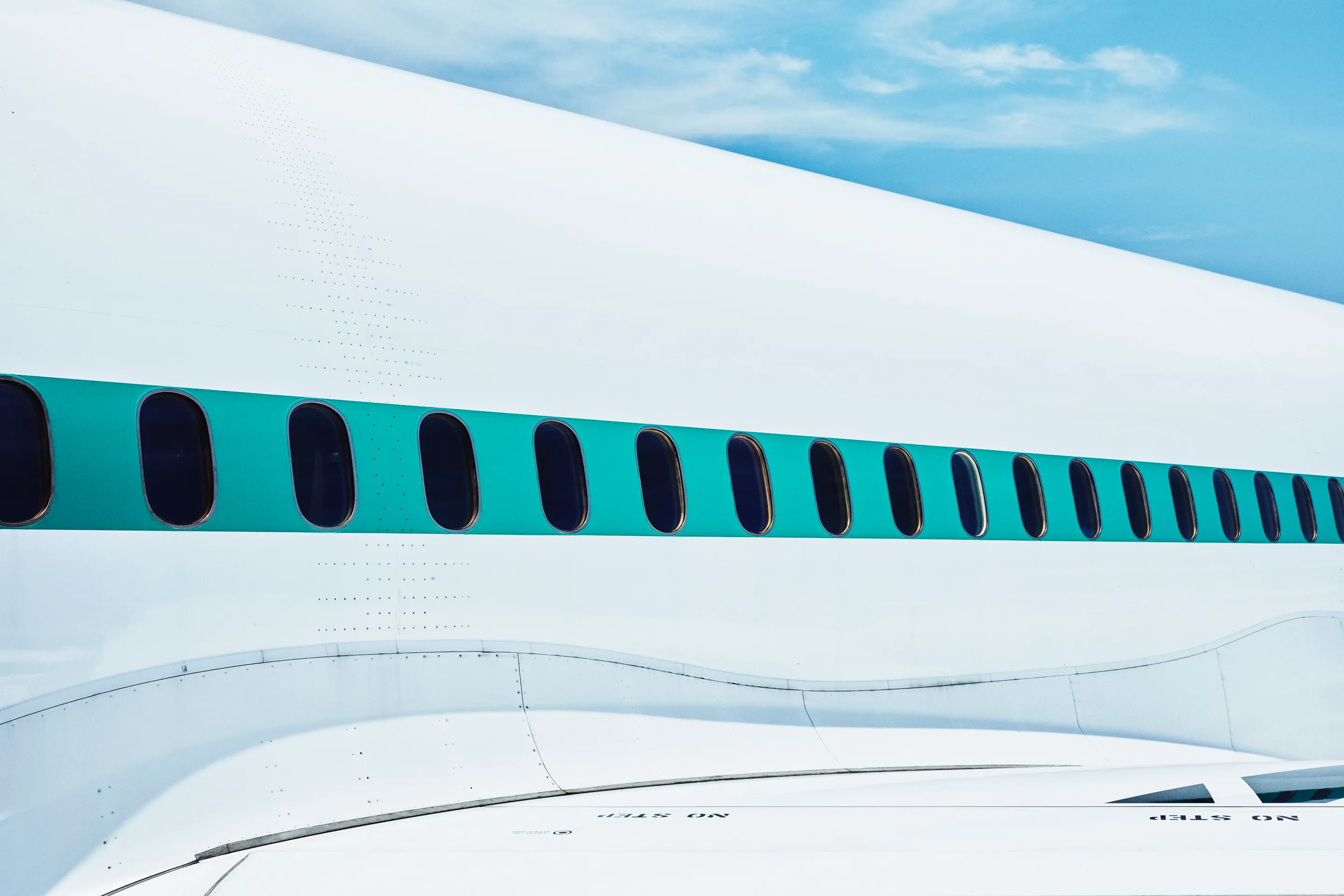
The aircraft design for ZIPAIR incorporates a cheatline in "Trust Green," one of the brand's key colors, running along the window line. This element embodies the idea of "protecting the safety of passengers." At a time when low-cost carriers were often associated with the notion of "cheap equals low quality," this was considered an essential message to convey. The tail features a line pattern defined within the brand identity guidelines. This pattern reflects the concept of continuously generating "New Basics."
Reading the History of Large-Scale Passenger Travel
We then looked back on the history of large-scale passenger travel, focusing in particular on the evolution of graphic design. We began with the poster for the SS Normandie, designed by the master of poster design, A.M. Cassandre. The immense scale of the ship dominates the entire composition. It suggests that, at the time, the value of large-scale travel lay in the sheer impact of the vessel itself as a monumental product.
Next, we examined an Air France poster illustrated by Raymond Savignac, featuring a giraffe gazing at an airplane, its pattern composed of flags from around the world. By this point, international travel had become more commonplace, and the value of an airline was reflected in its ability to connect the world—its expansive global network. The poster evokes a sense of wonder: the possibility of traveling anywhere, and a world that feels interconnected.
We then looked at a later series of advertisements by Lufthansa. Here, the aircraft itself is no longer depicted. Instead, each visual presents the landscape of a destination, as if seen from a plane approaching landing. In an era when global travel had become routine, people began to speak in more specific terms—about particular countries and experiences. Each destination came to be appreciated for its own unique qualities. These advertisements seem to celebrate that diversity, supported by a sense of aspiration: "I want to go there."
Through this research, we came to understand that the value of airline travel has shifted significantly over time. For this new LCC, it became clear that the challenge was to propose the next value—and to establish it as the next norm.
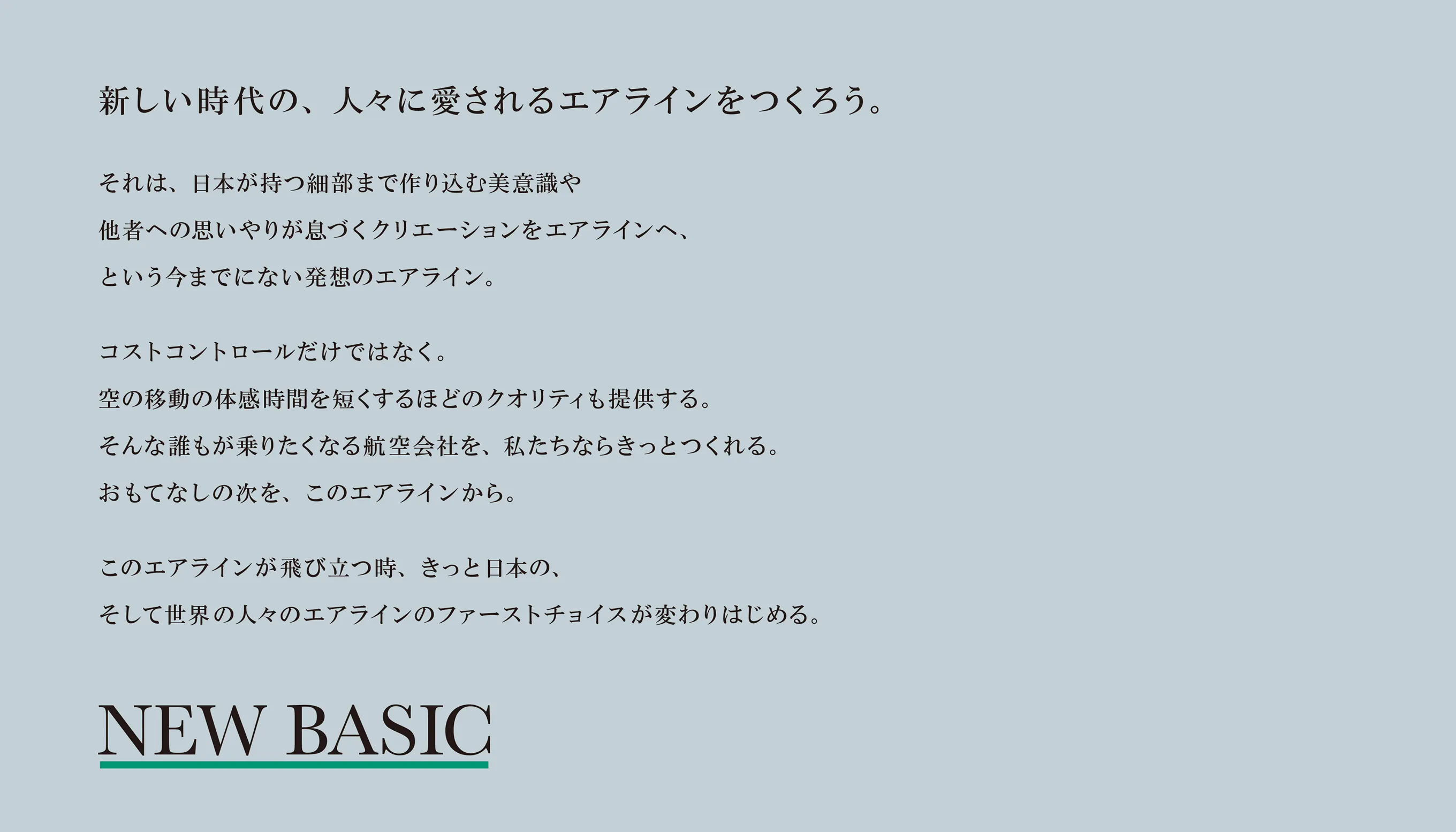
A statement of "New Basic." This text aligned the project team, allowing everyone to share a common vision of the future.
Designing the Visual Identity
The concept of "New Basic" became central to the development of the visual identity, including the logotype, symbol, and color system. Prior to ZIPAIR, the appeal of low-cost carriers was largely defined by affordability and casualness. Many LCCs reflected this in their visual identities, adopting light, approachable designs—often characterized by bold, eye-catching colors and friendly, familiar motifs. However, given the nature of this new LCC, we believed it was necessary to question these assumptions.
We collected and analyzed as many airline identities as possible—from past to present, across regions—covering logotypes, aircraft liveries, and uniform designs. Around 300 airline case studies were gathered, categorized into groups, and interpreted through our own perspective to identify underlying concepts. Through this process, several distinct tendencies in airline branding emerged: those that emphasize the romance of air travel through expressive logotypes; those that strongly convey national identity, often seen in flag carriers; those with a friendly, approachable tone common among LCCs; and those that express a sense of technological advancement through a digital aesthetic. In aiming to create a "New Basic Airline," we recognized that our visual identity could not belong to any of these existing categories.
From hundreds of name proposals and logo explorations, we selected the name "ZIPAIR" and its current visual identity through the lens of "New Basic Airline." The goal was to create a smart and refined appearance—one that feels equally appropriate for business travel and family trips, and makes choosing ZIPAIR feel like an intelligent decision. A calm, functional aesthetic that suggests the emergence of new services was also essential.
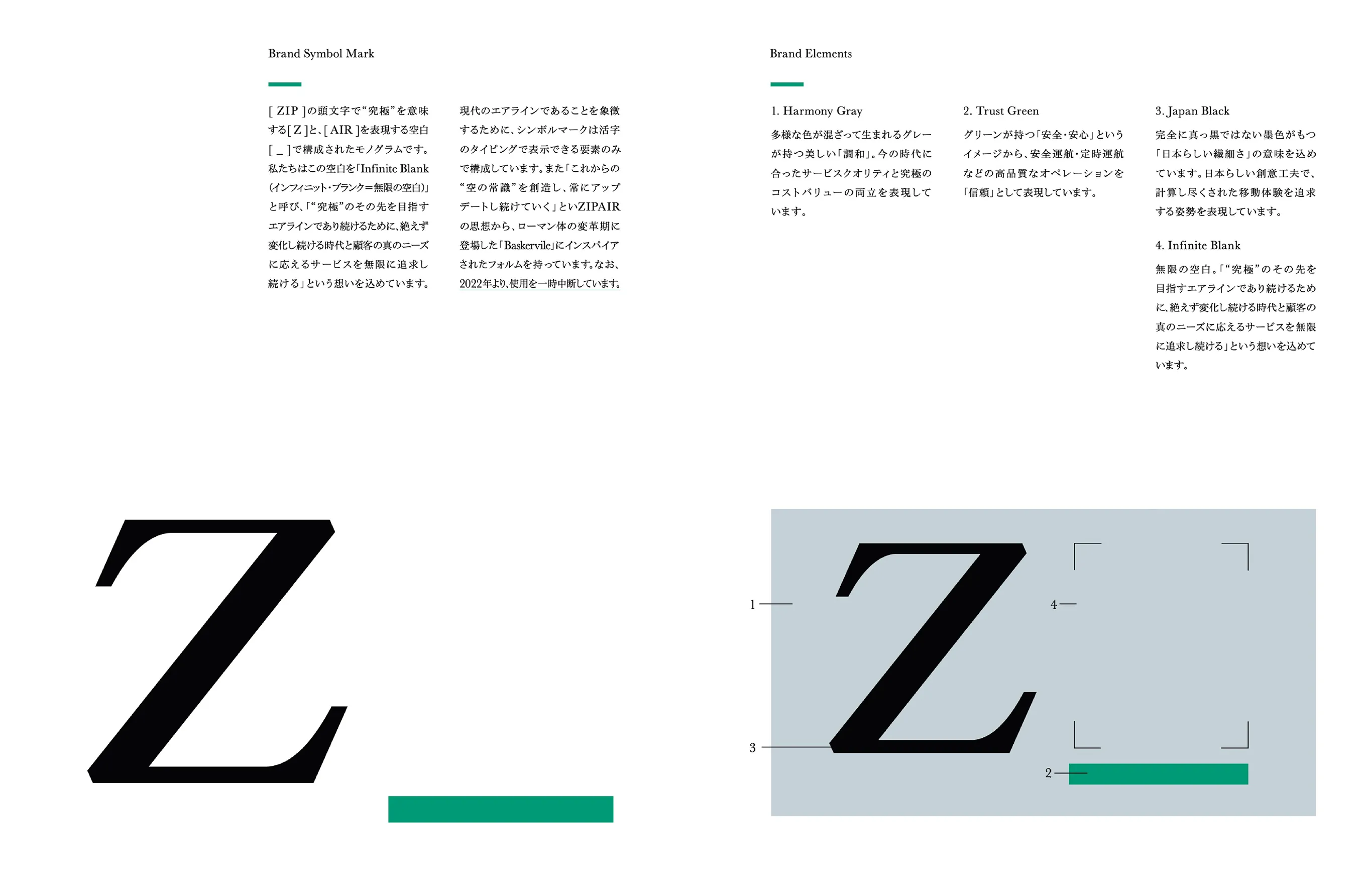
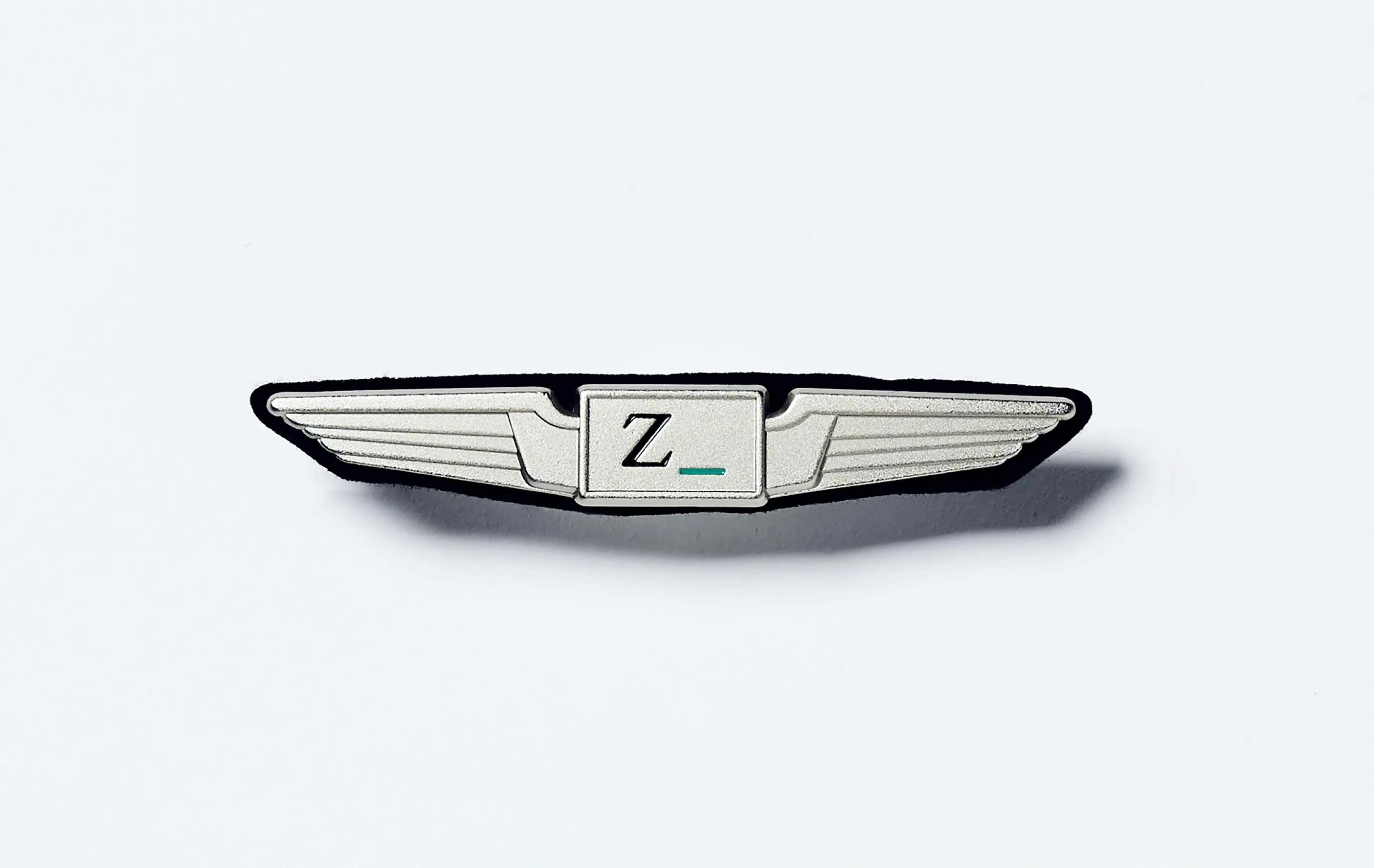
The symbol mark used from the brand's launch through 2022 embodies the idea of "New Basic." It is a monogram combining "ZIP" and "AIR," where "Z" represents the final letter of the alphabet—signifying the ultimate—and "_" represents a blank space, suggesting something yet to exist. By bringing these elements together, the mark expresses the idea of thinking beyond the "ultimate"—a visual articulation of "New Basic."
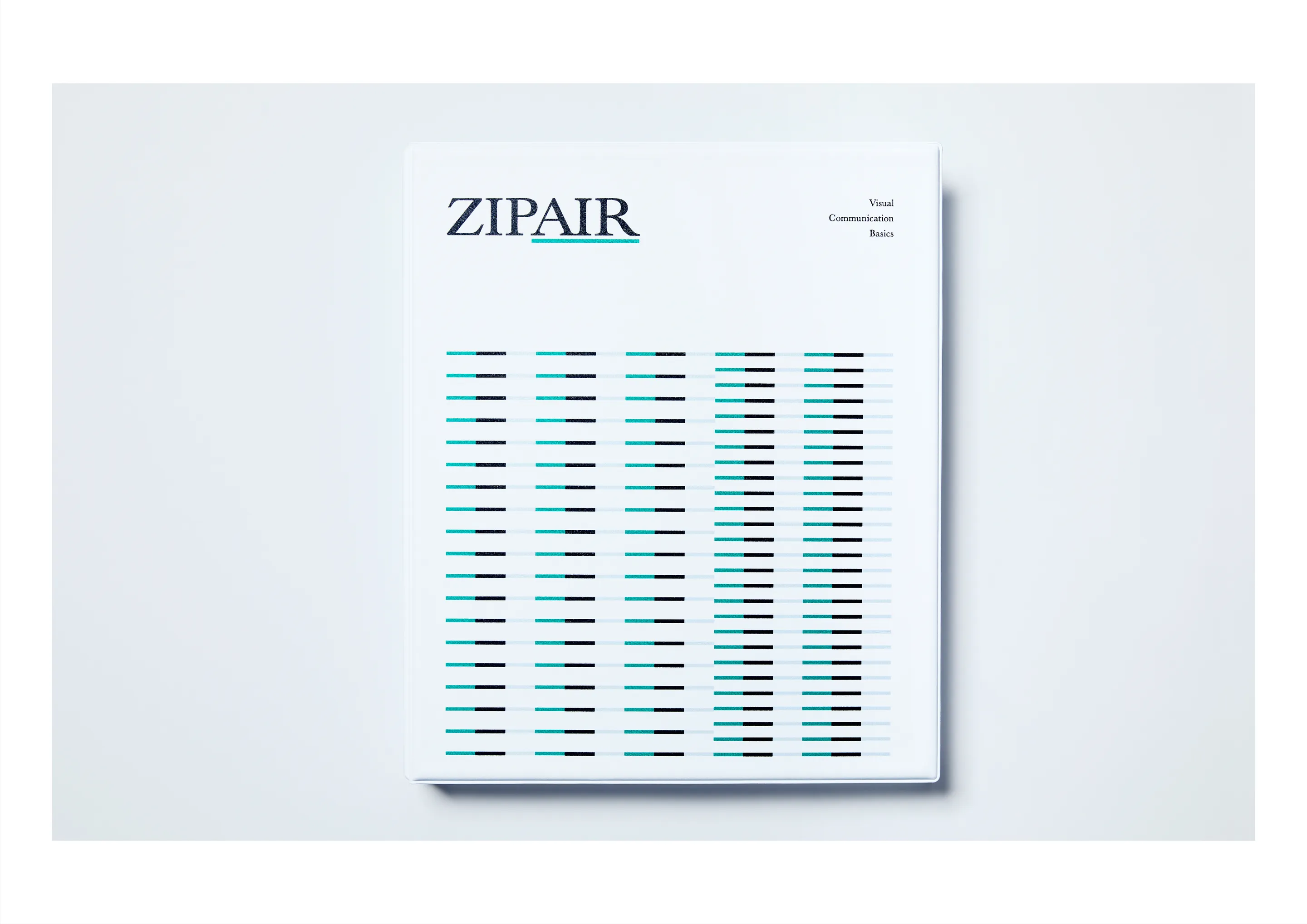
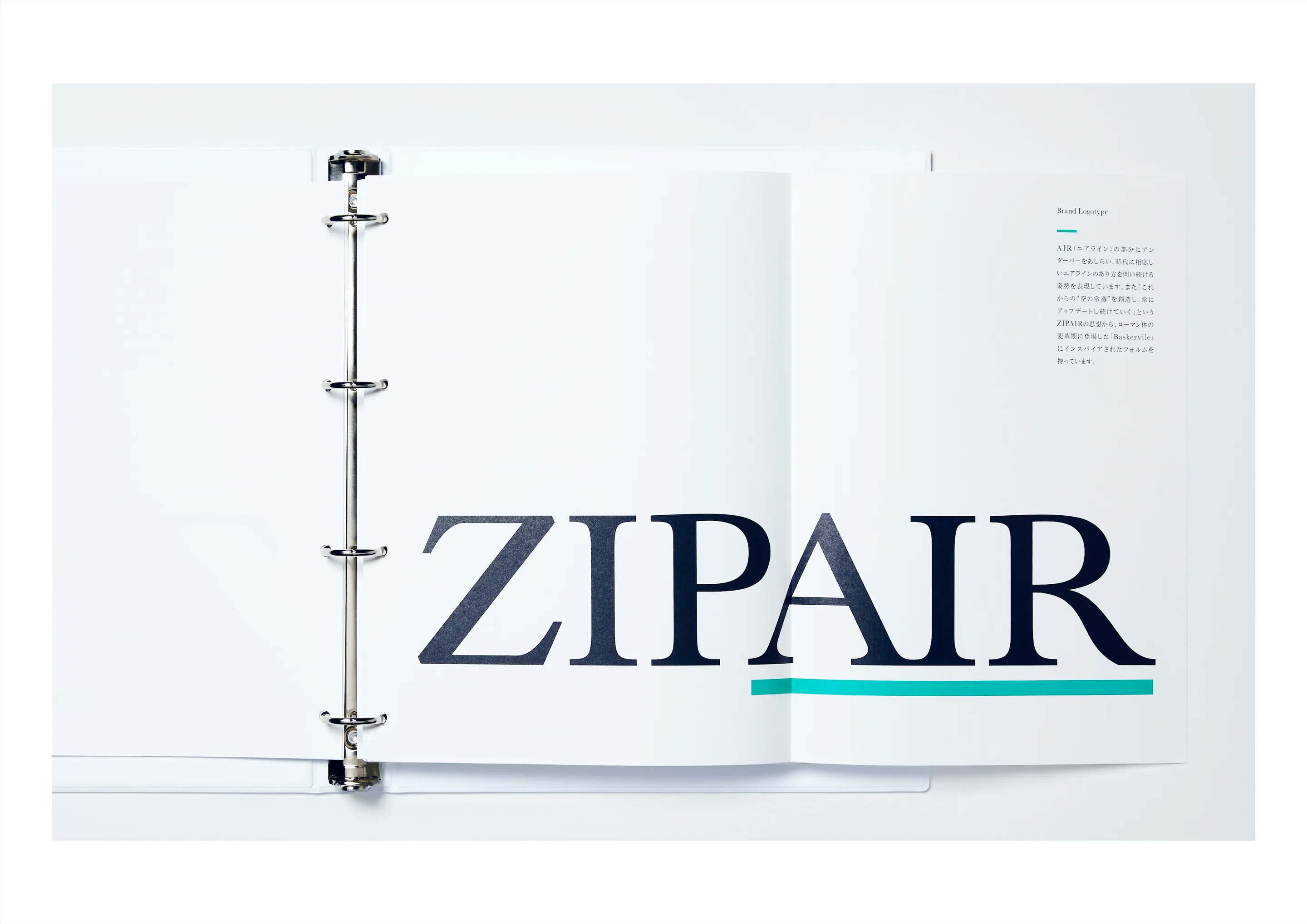
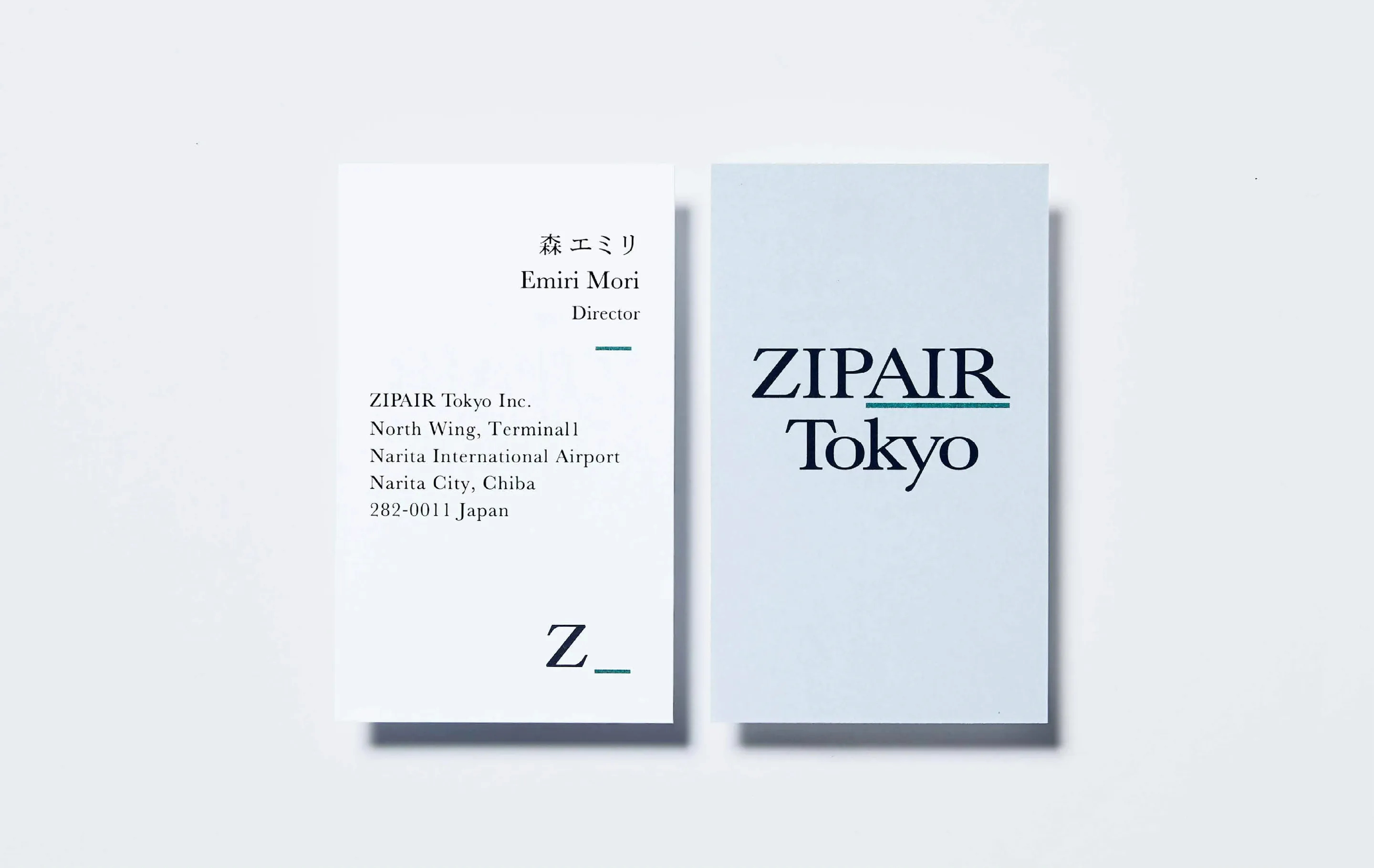
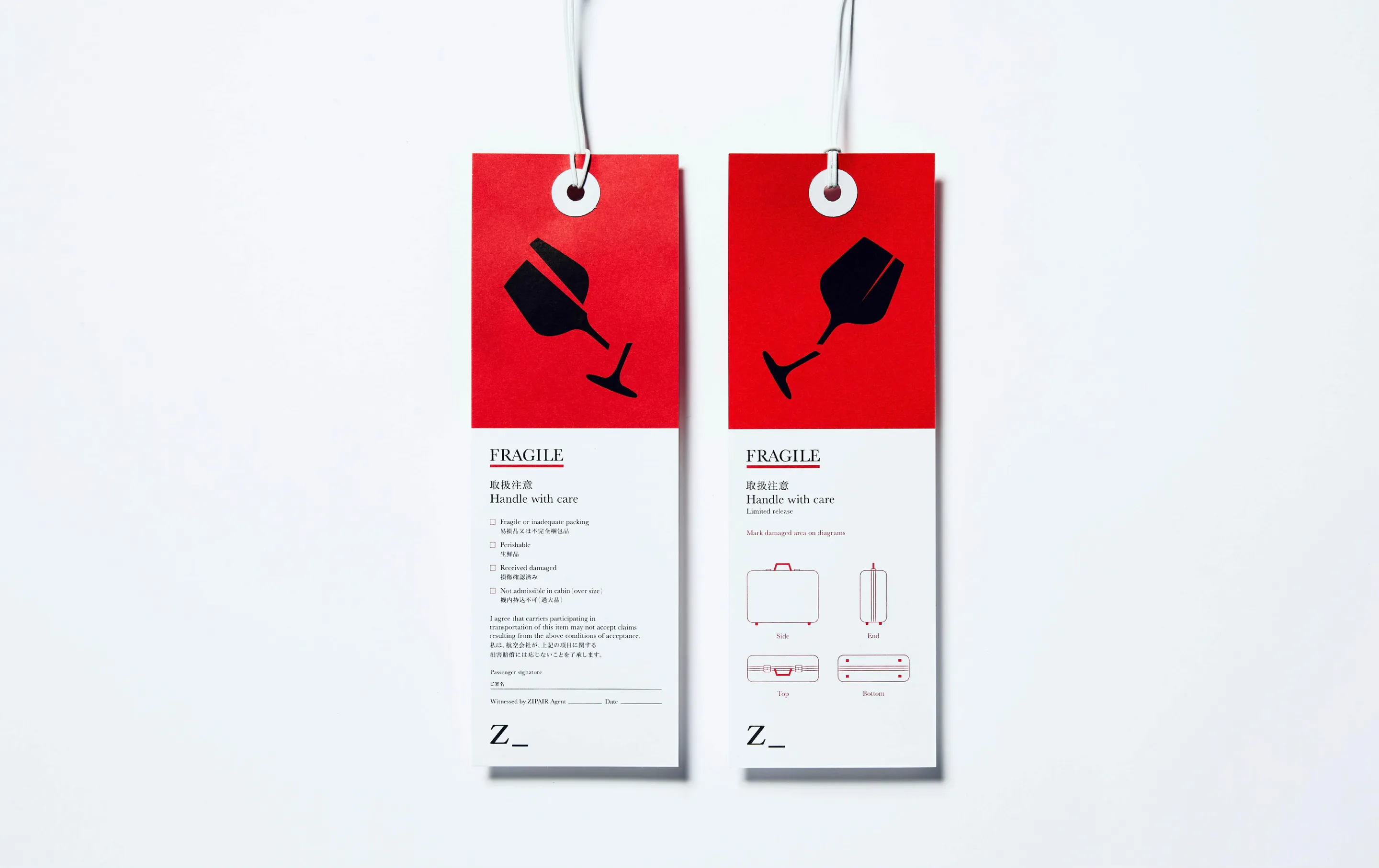
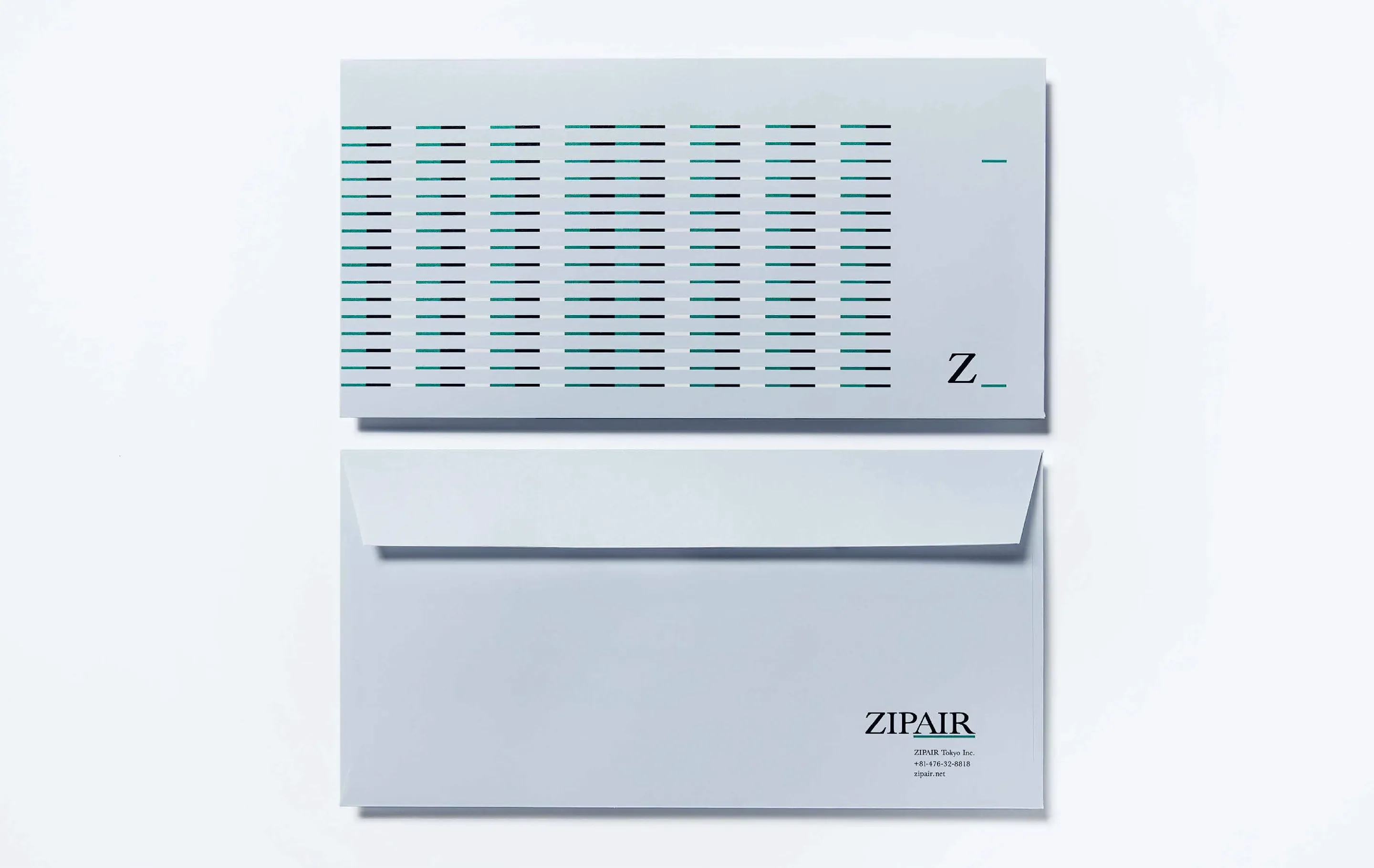
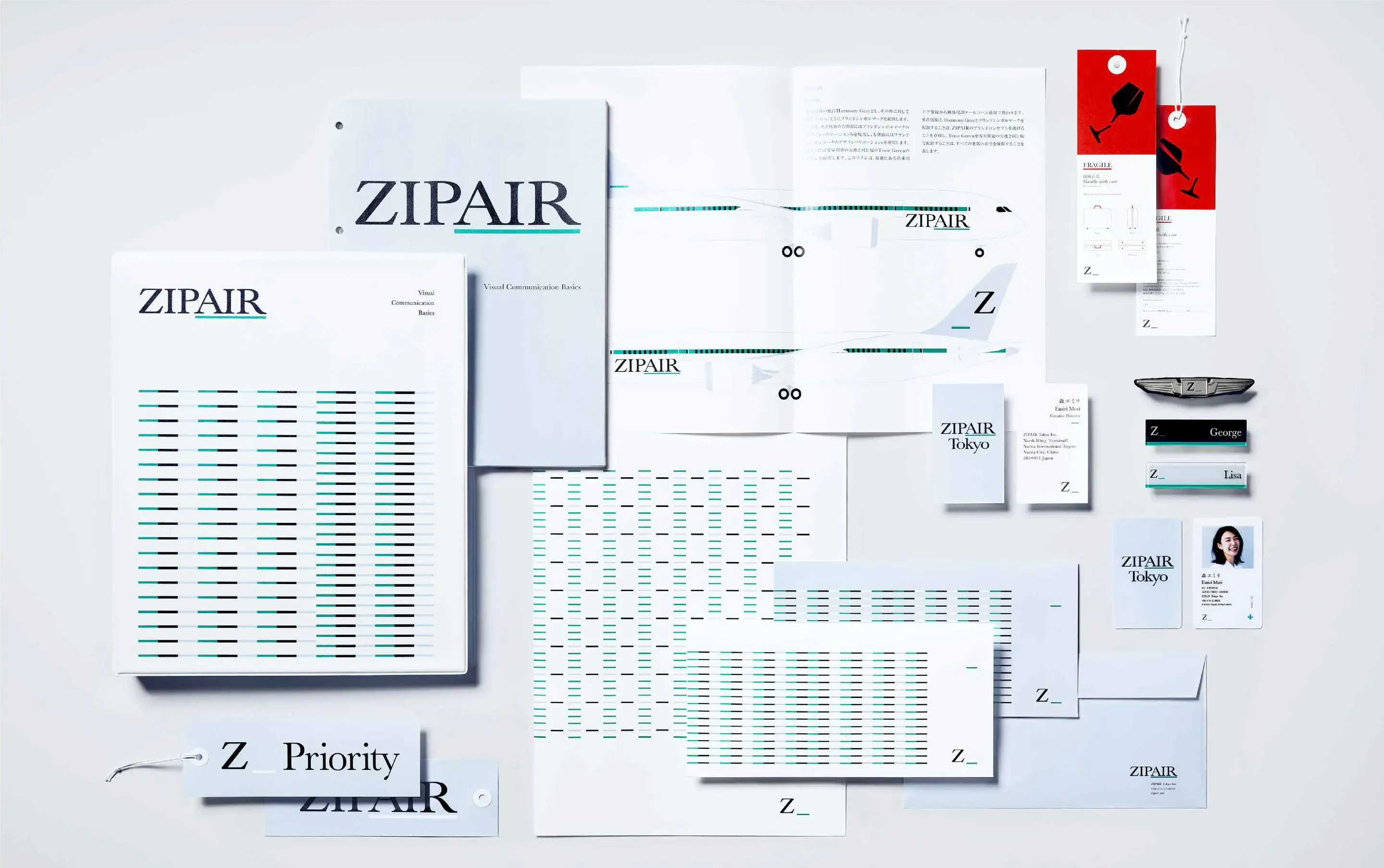
Brand identity manual for ZIPAIR, outlining the design concept and guidelines.
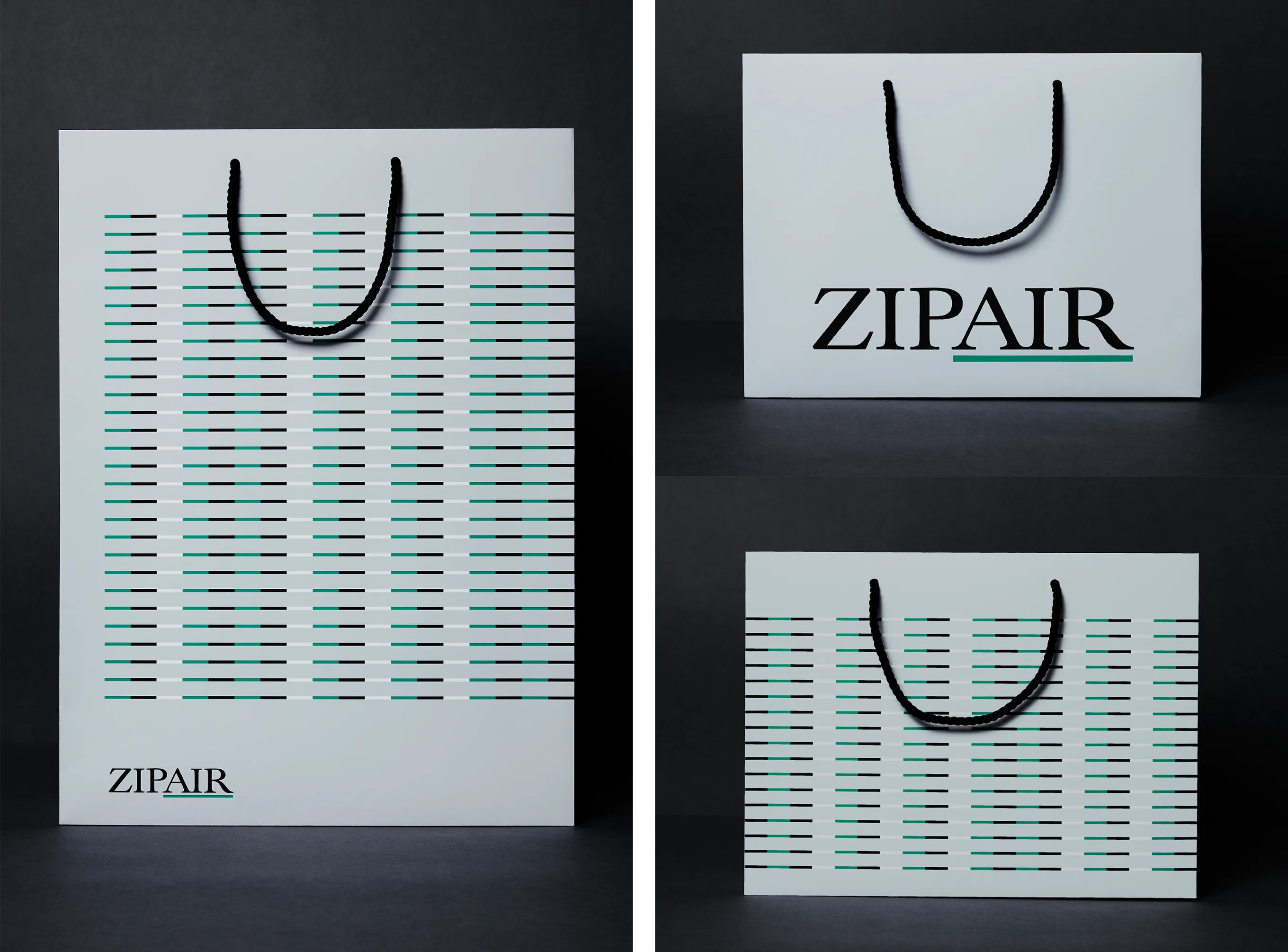
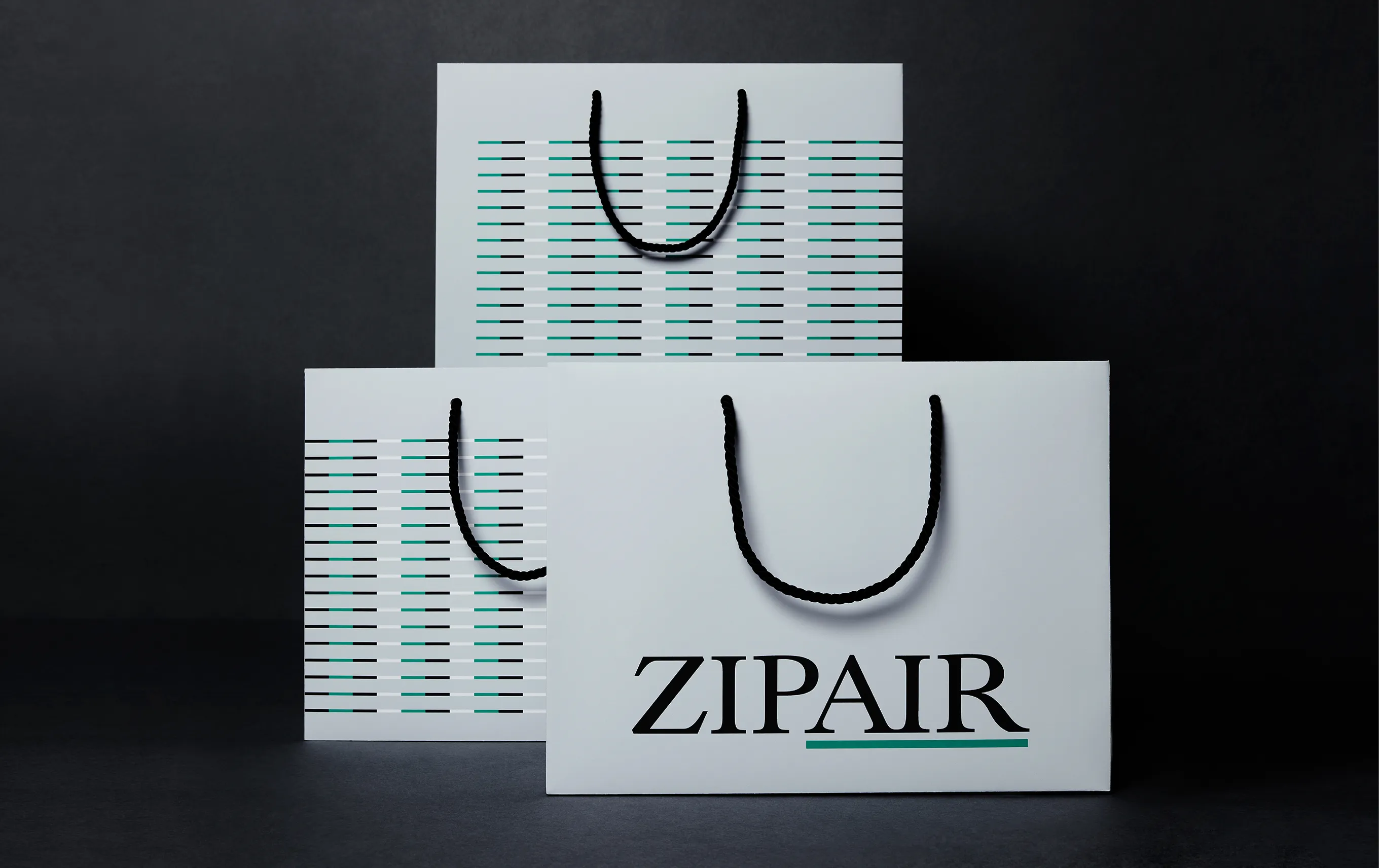
Uniform Design
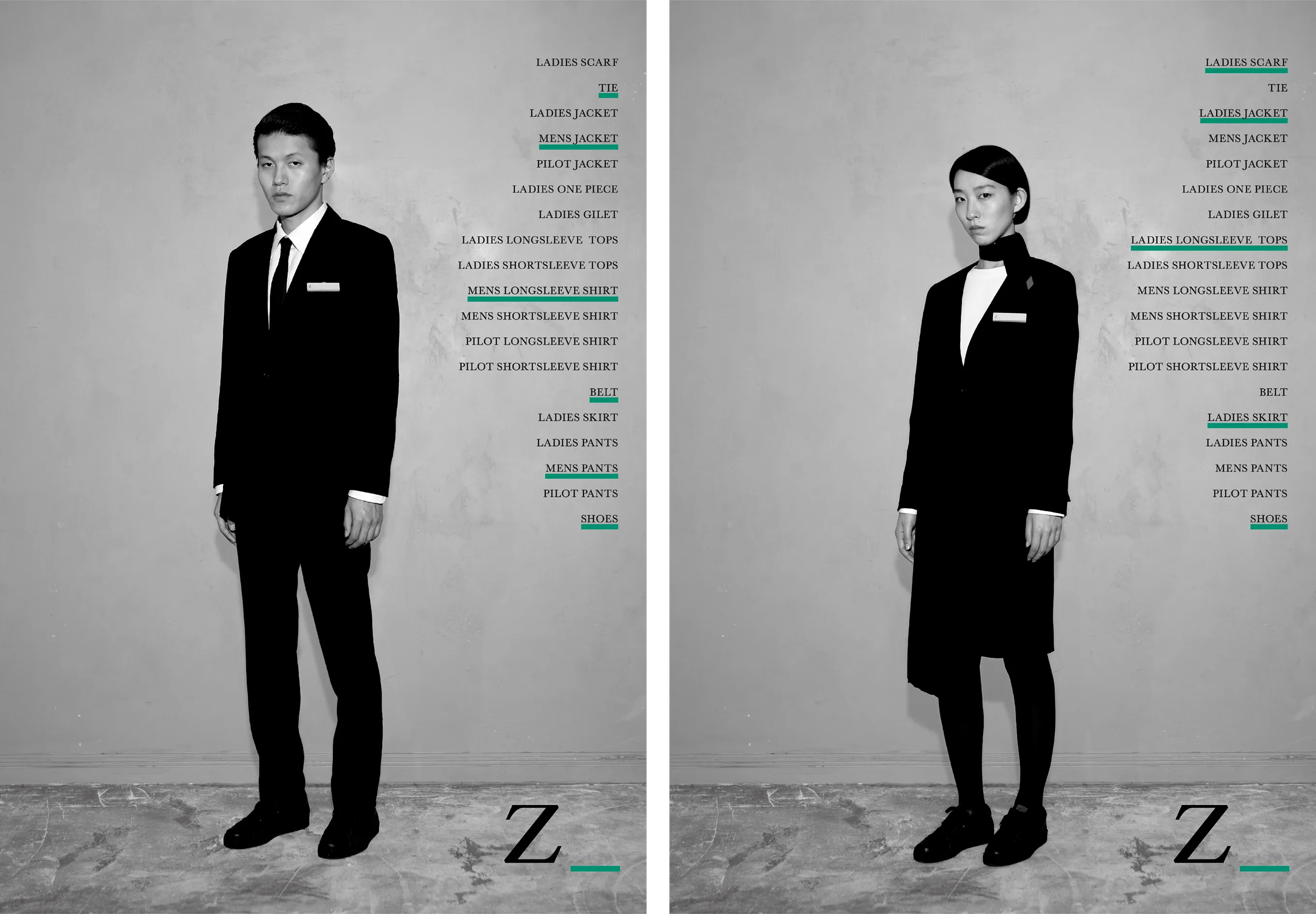
We also collaborated with fashion designer Taro Horiuchi to develop the uniforms. We began by researching the actual working conditions of cabin crew—conducting interviews with JAL flight attendants and observing training facilities to understand their daily operations and behaviors. What emerged was a reality far removed from the glamorous image often associated with the role: running, lifting heavy objects, and working in close physical proximity to passengers. In parallel, we researched the history of uniforms, deconstructing their functions and reconstructing them by extracting only what was essential for ZIPAIR.
Through this process, we arrived at several insights: that early uniforms originated as a means of grouping and expressing roles; that airline uniforms place strong emphasis on manners in interactions with passengers; and that since collaborations such as Air France and Balenciaga, the relationship between airline uniforms and fashion designers has become an established framework. At this stage, we felt we had gained a clear understanding of the "basic" of airline uniforms.
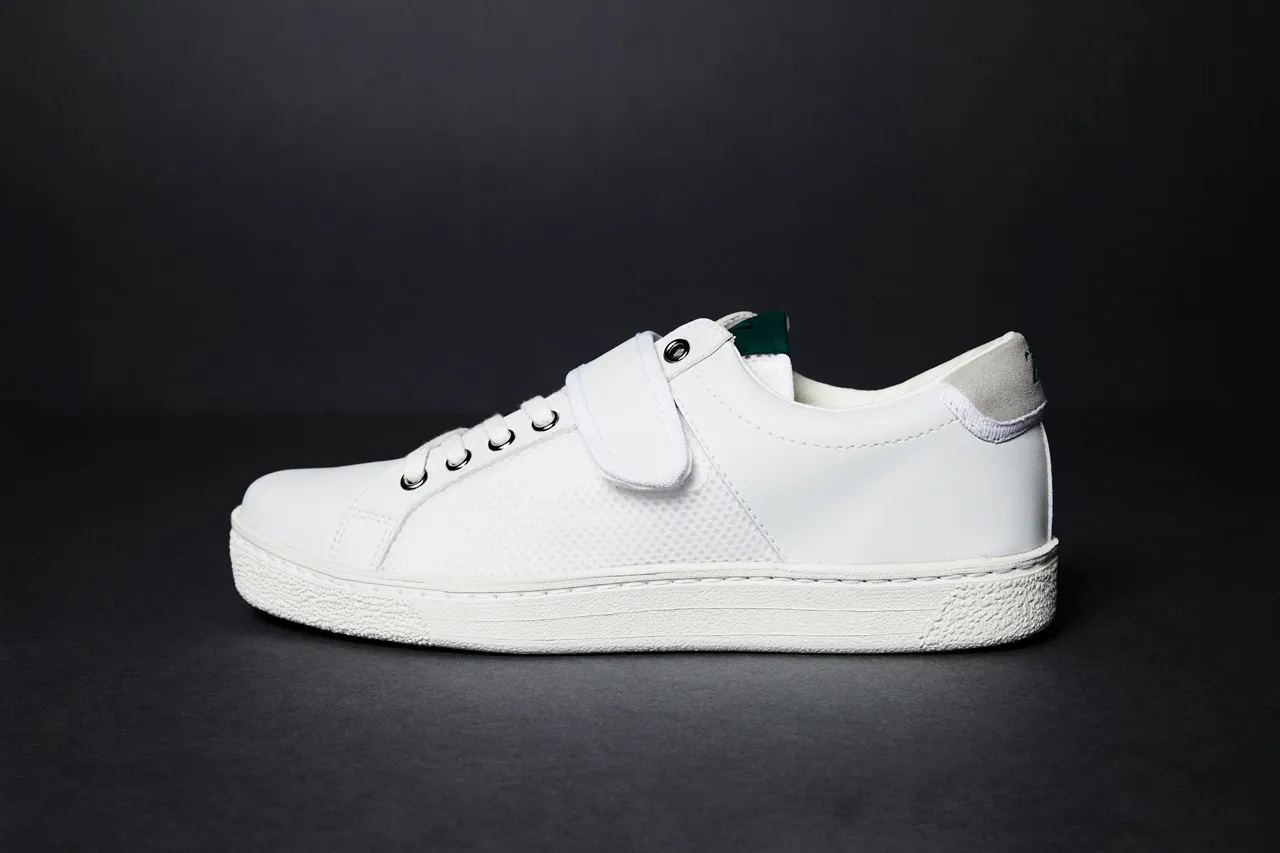
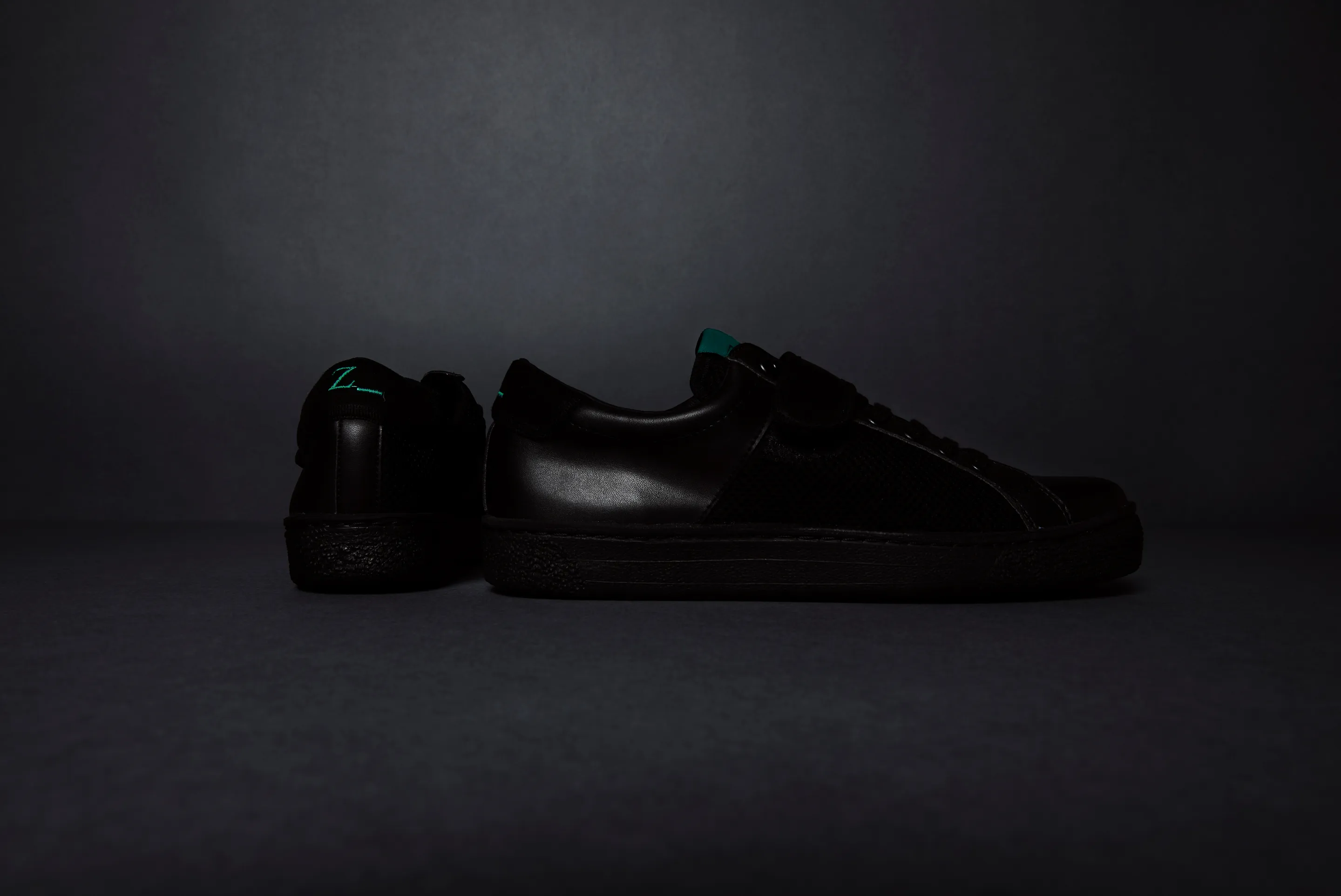
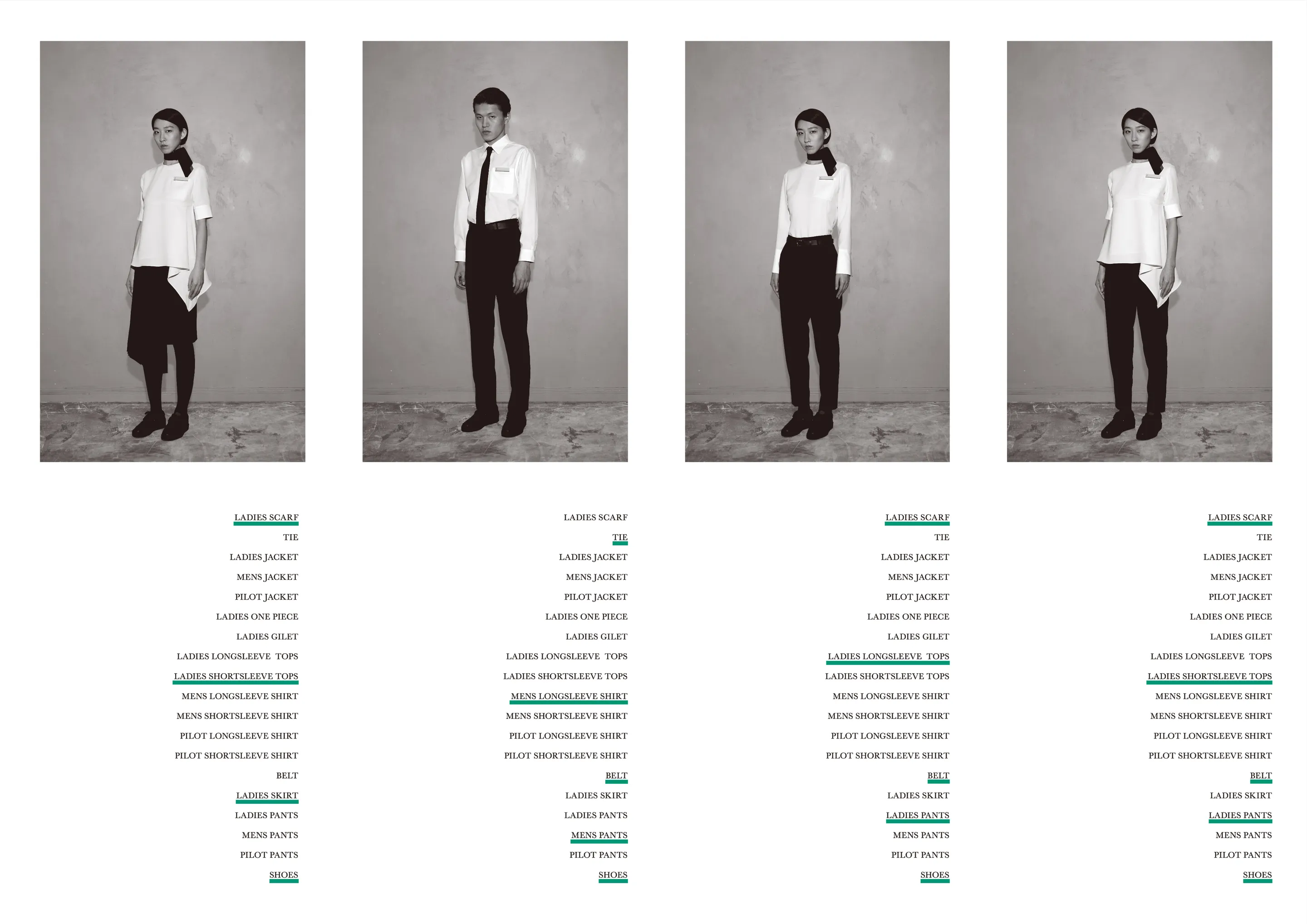
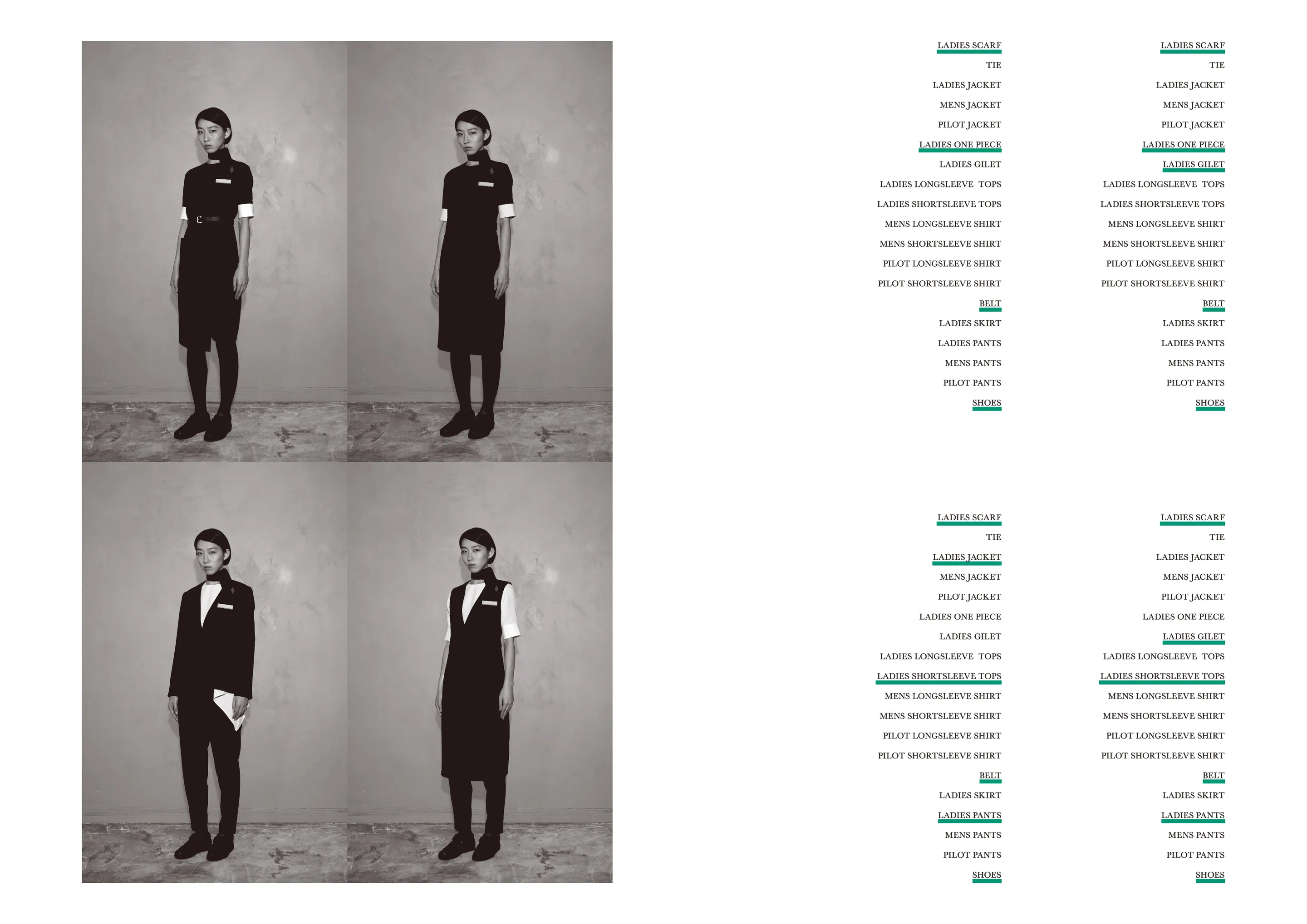
We then broke down the functions of uniforms into three elements: 1. Expression of brand identity to signify belonging. 2. A formal appearance suitable for customer service 3. Functionality and ease of movement for operational tasks. From there, we removed what was unnecessary for ZIPAIR and arrived at the concept of a uniform designed to maximize performance. Two key elements defined this "New Basic" uniform: sneakers and modular styling. While most airlines at the time required leather shoes, ZIPAIR adopted sneakers to improve mobility and reduce physical strain during long hours of standing work.
In addition, we developed a system in which approximately 20 uniform items could be selected and combined according to daily tasks, allowing flexibility across a wide range of duties. This modular approach was supported by an on-site cleaning system at the airport. Instead of assigning uniforms to individual crew members, staff would rent their uniforms upon arrival, change at the airport, and return them after their shift, where they would be immediately cleaned and maintained.
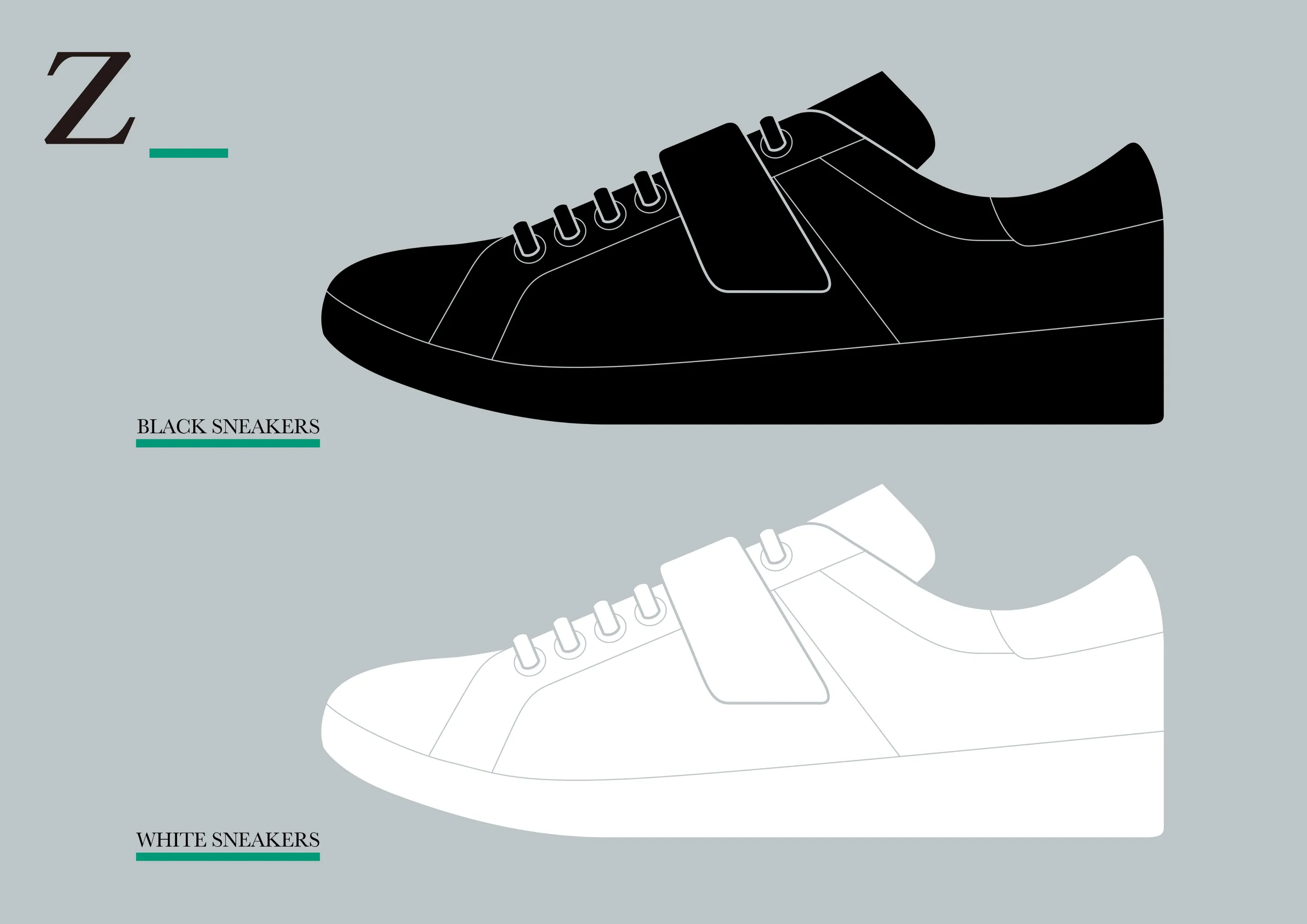
Sneakers designed for ZIPAIR in collaboration with fashion designer Taro Horiuchi and sneaker brand NOVESTA.
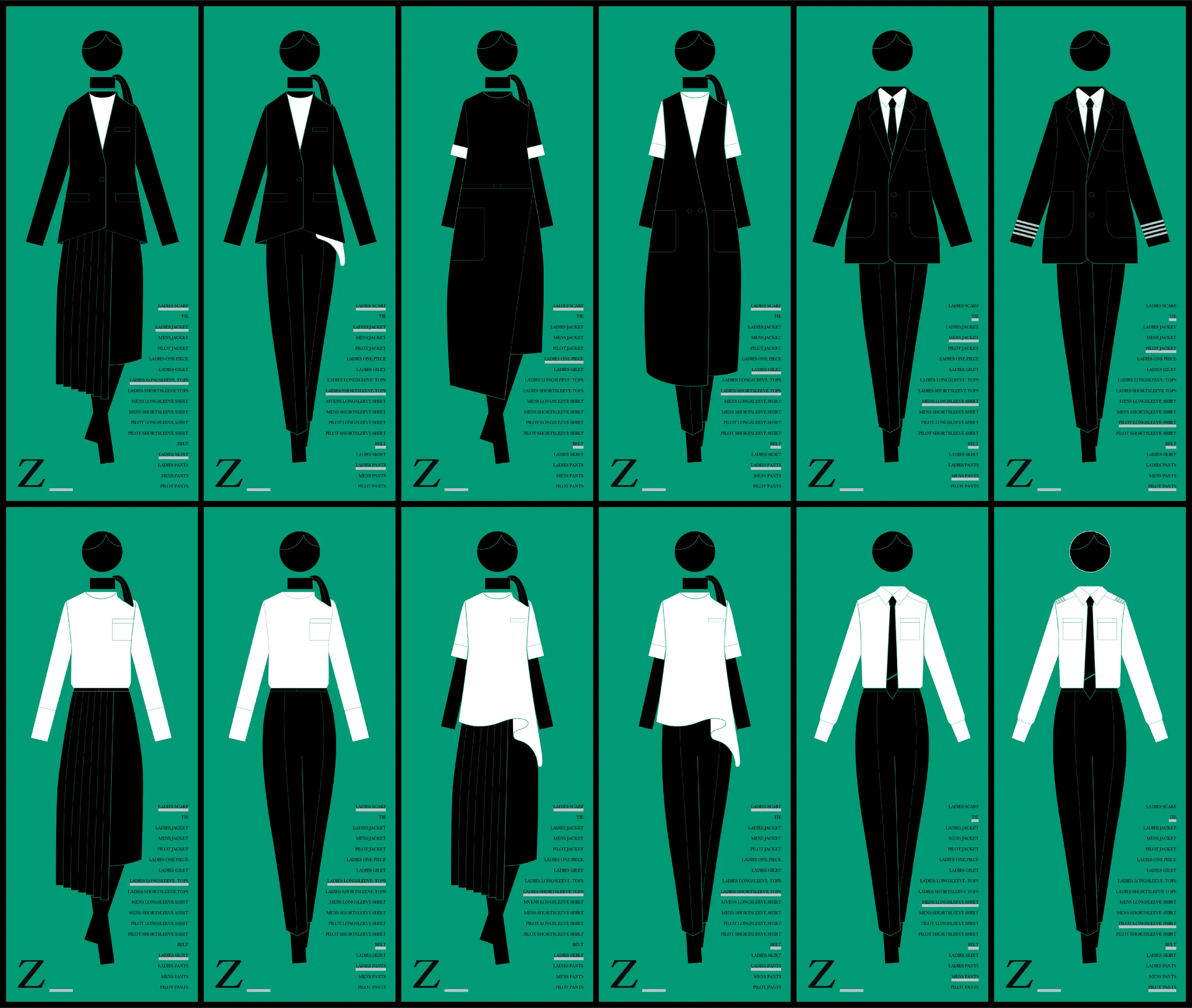
Uniform styling variations designed in collaboration with fashion designer Taro Horiuchi.
Building the Brand Structure
Based on the research conducted across each area, we established a shared vision of "New Basic," and over the course of six months, developed the brand structure in parallel with the design process. This structure defines why ZIPAIR exists—clarifying its purpose and serving as a foundation for future service development. It is also ZIPAIR's response to the evolving values of large-scale travel: the excitement of moving across great distances, the ability to reach destinations through a global network, and the experience of returning to places one comes to know deeply. The question then became—what comes next? What is the next value, and what will become the next norm?
ZIPAIR's answer is placed at the top of its brand structure as its core value: "An airline that shortens perceived travel time." Travel is ultimately a means, not the destination itself. ZIPAIR seeks to create an experience in which travel feels shorter, allowing passengers to spend more time and resources on what truly matters—their destination. This structure articulates how such an airline can be realized.
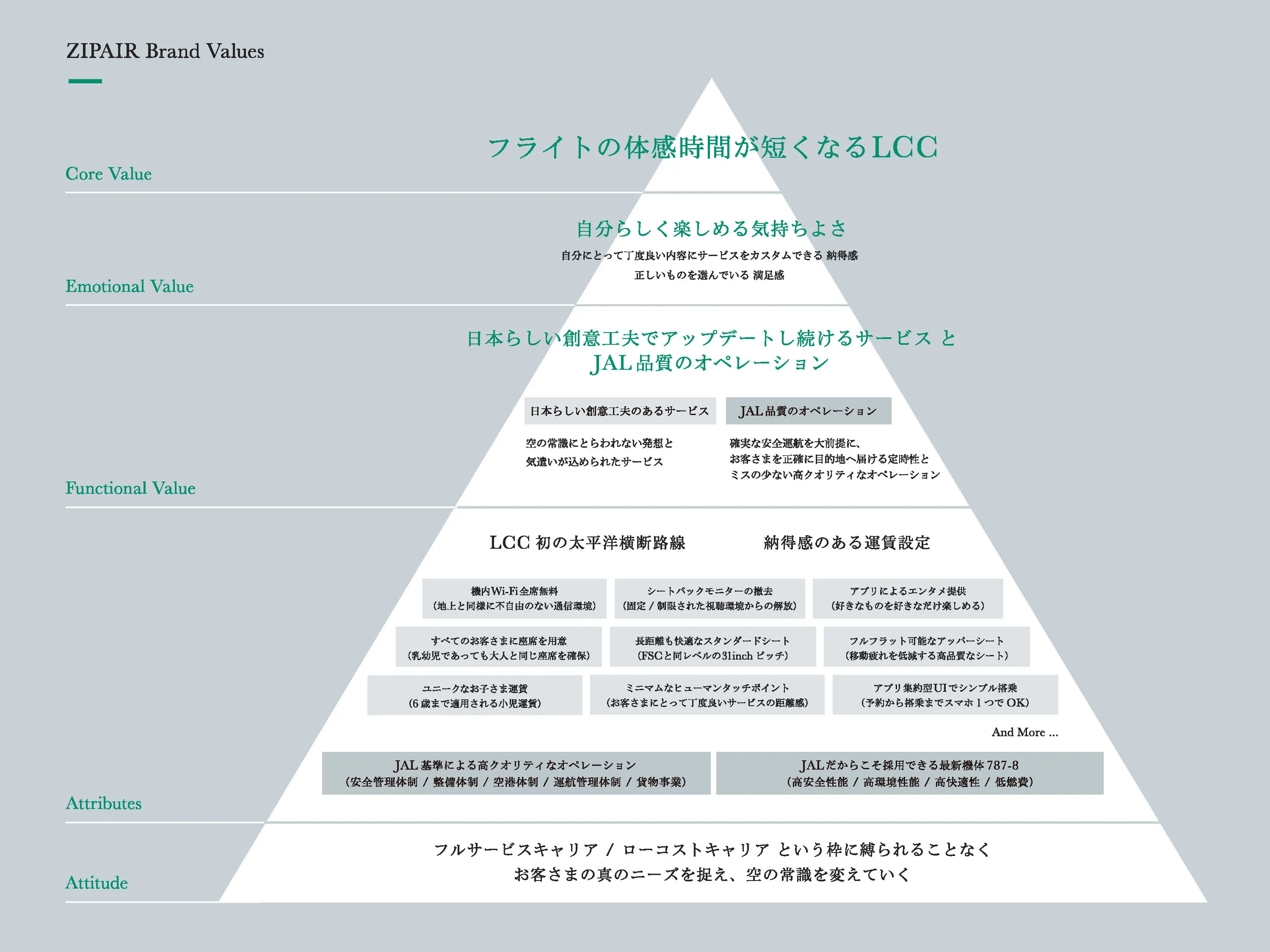
Brand structure for ZIPAIR, serving as the foundation for all design decisions across the brand.